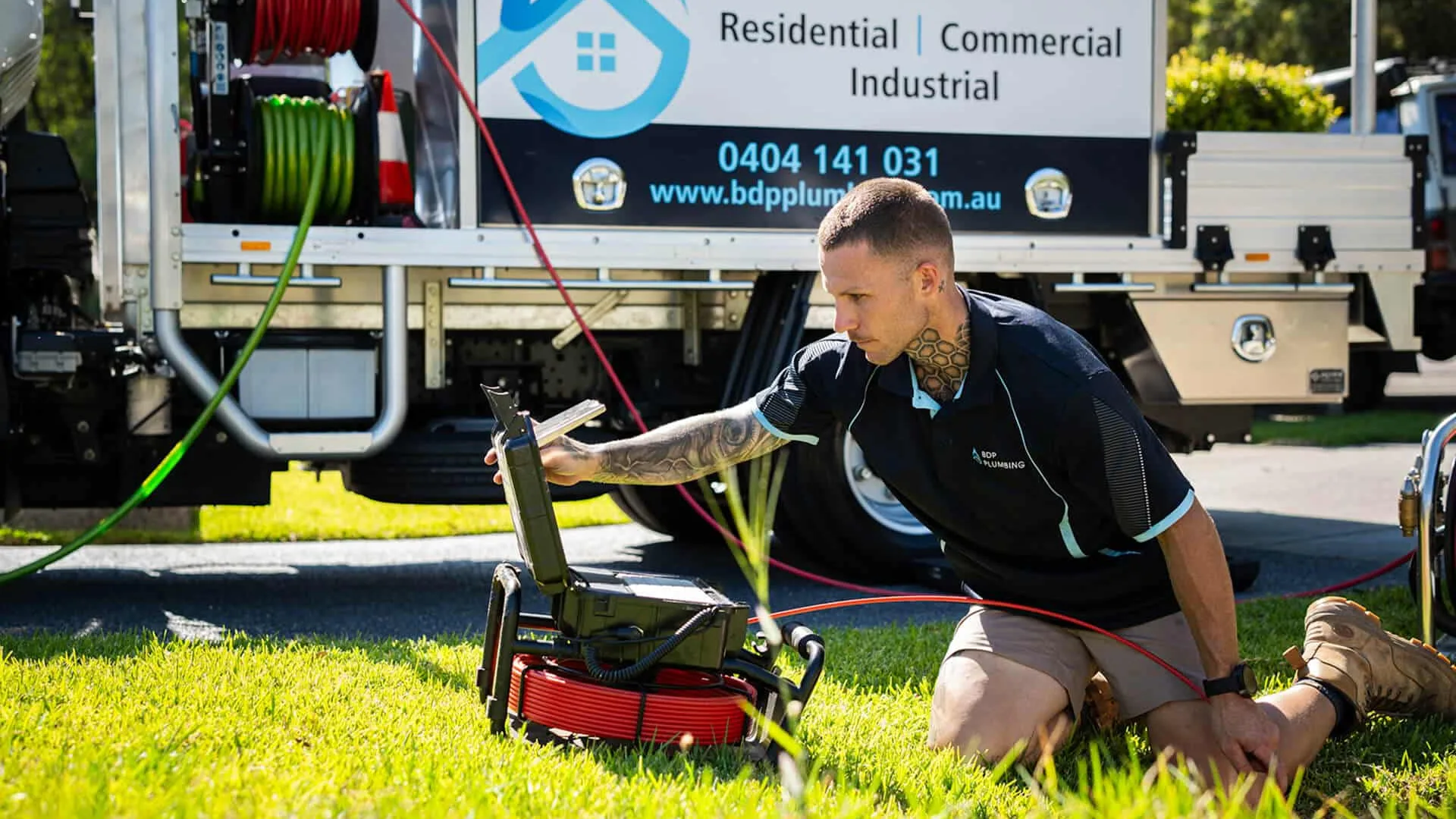
Drainage in Redhead
CCTV Drain Inspections Redhead
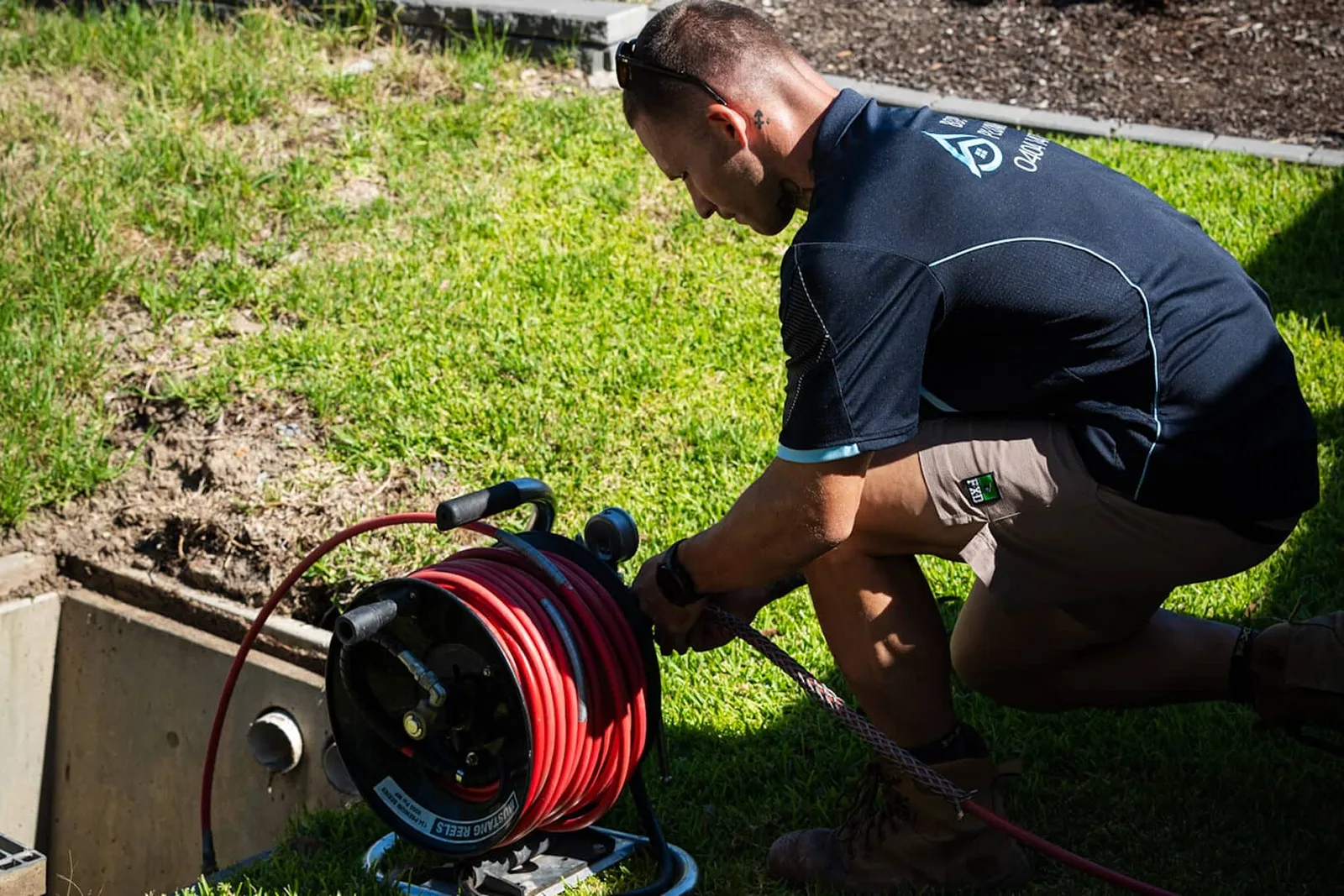
A blocked drain with no visible cause, a sewer that keeps backing up, or a wet patch that will not explain itself: a CCTV drain inspection puts a camera in the pipe and shows you what is going on before anyone touches a shovel.
Footage decides the fix. Plumbers Redhead runs drain cameras across Redhead and the suburbs next door. Guessing is expensive, and digging up a yard to find a clean pipe costs you a hole for nothing.
When a drain camera earns its keep
Some jobs can be sorted from the surface. Others keep coming back, and that is usually the pipe telling you something a plunger will never fix. A camera inspection suits:
- Repeat blockages on the same line, cleared twice and backed up a third time
- A sewer that slows across several fixtures at once
- Suspected root intrusion or a section that has dropped
- Pre-purchase checks on older houses, before the sale settles
- Locating a pipe before a renovation, extension or new build
If the line has never given trouble and clears easily, a camera may be overkill. We will say so. The point of the inspection is to spend your money on the right job, not on gear for its own sake.
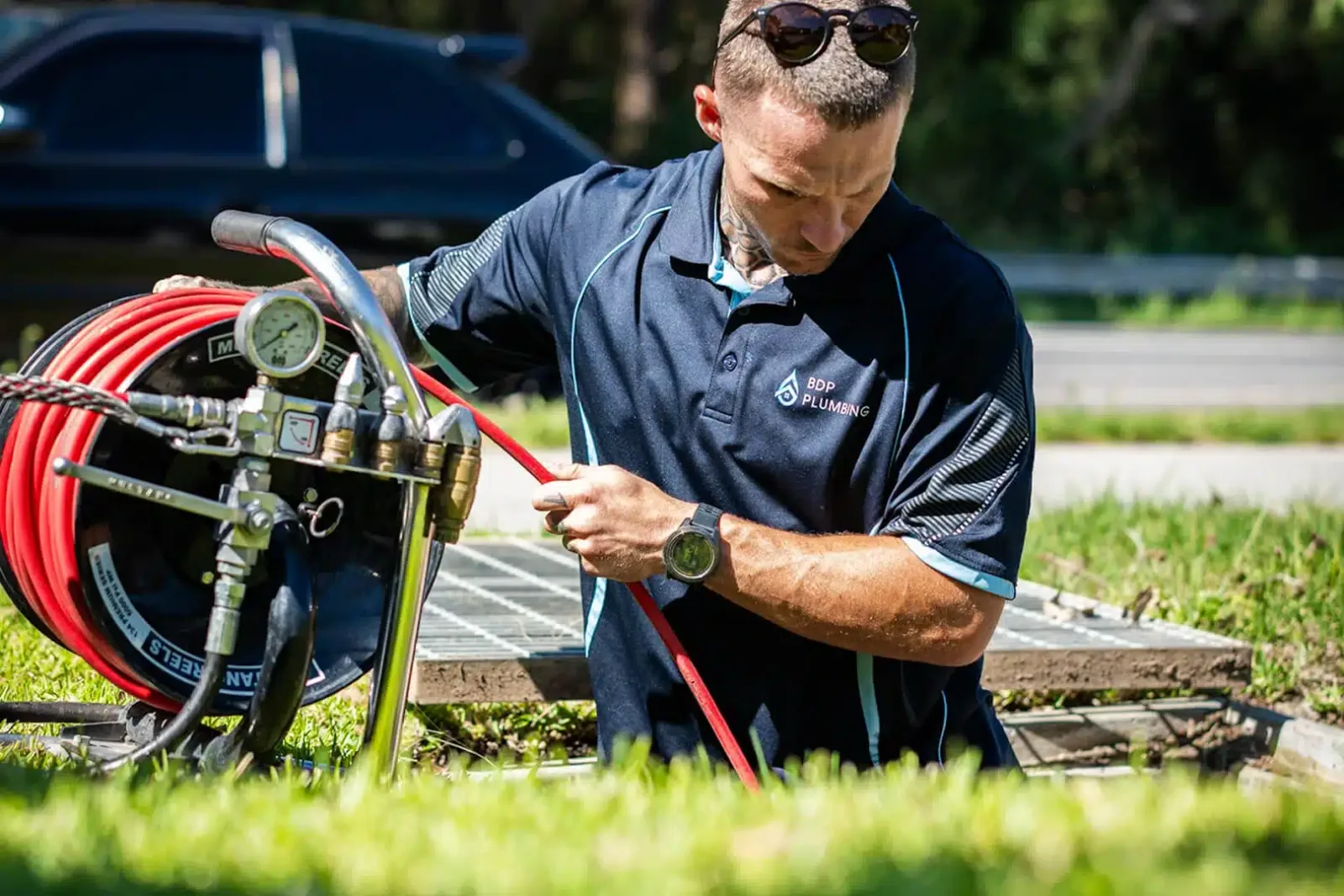
Why the pipes here hide their faults
The township streets off the original 1894 survey carry glazed clay drainage that has sat in loose sandy ground for a century. Sandy coastal soil moves. Joints rotate and sections ledge, and every offset is a snag waiting for the next flush of sand or the next root.
The roots are relentless.
The sand keeps coming.
So you clear the line, the blockage returns in three months, and nobody knows why. The camera answers why. Three separate failure modes can live in the same ground here, and telling them apart on screen takes minutes.
What the camera actually finds
The camera head travels the pipe and records everything, so nothing gets described from memory. A typical run turns up one or more of:
Offset or rotated clay joints
Root intrusion
Sand and silt beds
Cracks, breaks and collapsed sections
Foreign objects and scale build-up
Every finding goes on the record with its distance along the line. If a repair follows, the dig happens in the right spot the first time.
How the inspection runs
The process is simple and it starts with the same $0 call out as everything else we do.
- 1
Call and tell us
Ring (02) 4063 3446 and tell us what's going on in Redhead. We'll ask a few quick questions so the right gear is on the truck the first time.
- 2
Quote before work
You get the price before anything starts. No call-out fee, no hourly surprises. You approve the quote or we shake hands and leave, no charge.
- 3
Camera the line
We feed the camera in from the gully, inspection opening or boundary trap, run the full length of the section in question, and talk you through what the head passes as it goes.
- 4
Backed, no questions asked
If something isn't up to standard afterwards, we come back and make it right, no questions asked. That's the standard every Redhead job is held to.
You can watch the footage with us or read the summary afterwards. Either way, you see the fault with your own eyes before you approve a dollar of repair work.
From footage to fix
A camera run is diagnosis, not the cure. What happens next depends entirely on what the footage shows, and this is where the inspection pays for itself.
Roots or a scale-lined clay pipe.
A clear blockage with no structural fault.
A collapsed or badly offset section.
The 1927 estate cottages.
The newer pockets.
Why a camera matters more beside the ocean
This stretch of coast is one of the most corrosion-aggressive environments in the Lake Macquarie LGA, and the drainage copes with salt, sand and root pressure all at once.
Not a luxury add-on. Here, a camera inspection is the difference between clearing a symptom and fixing the pipe.
We know which pockets sit on the 1894 grid and which got fresh pipework in later subdivisions, and that knowledge shortens the diagnosis. The full drainage run is on the drainage hub, and blocked drains covers the clearing side of the work.
CCTV Drain Inspection FAQs
What does a drain camera actually show?
Live footage from inside the pipe: cracks, offsets, root growth, sand beds and collapses. Each fault gets logged as the head travels, so the repair quote is based on what the pipe shows.
Do I need a camera inspection or just a clear?
If a drain blocks once and clears easily, a clear may be enough. A line that blocks repeatedly needs the camera, so you stop paying for temporary fixes.
How long does a drain camera take?
Most residential runs finish inside an hour once we find access. Older cottages with few inspection openings take a bit longer to set up, and the price is agreed first.
Can a camera find a leak under the yard?
It shows broken or separated pipe that lets water escape, which is often the source. Pressurised supply leaks need acoustic tracing gear instead, which is a different service.
Do you camera the line before quoting a repair?
Yes, always on structural work. Footage first means the quote reflects what the pipe looks like, so you approve the repair knowing where the problem sits and how deep it runs.
Do you cover nearby suburbs for drain camera work?
We do. The same camera gear runs through Dudley, Belmont, Jewells and Bennetts Green on our regular rounds, and the coastal clay and sand drainage conditions continue along that stretch.
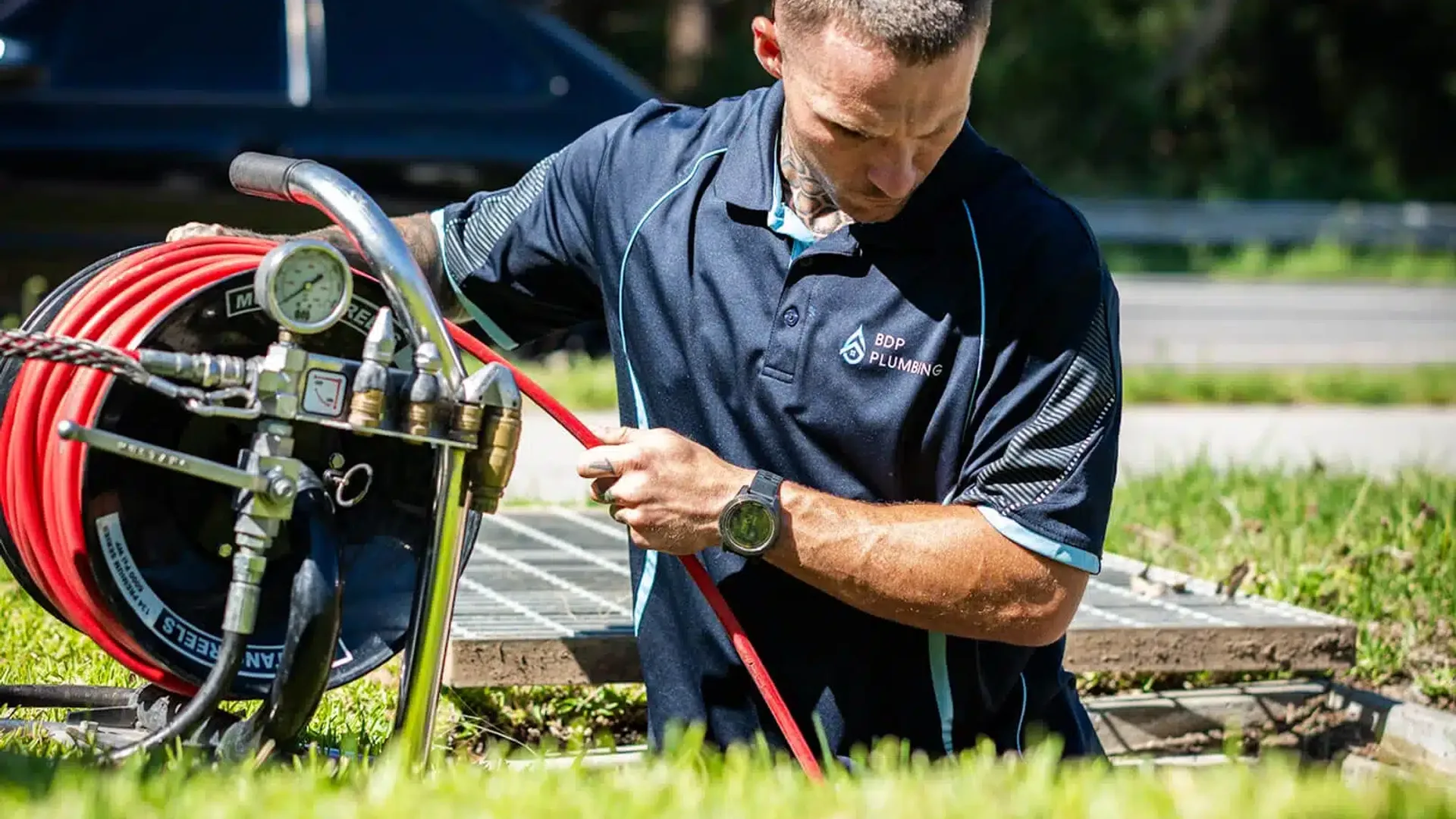
Plumbers in Redhead and the suburbs around it
Book a drain camera in Redhead
Call (02) 4063 3446 and tell us what's happening. $0 call out across Redhead, a clear quote before any work starts, and a job that gets made right if it isn't right the first time.